Trusted Roof Repair, Replacement & Installation in Lacey, WA
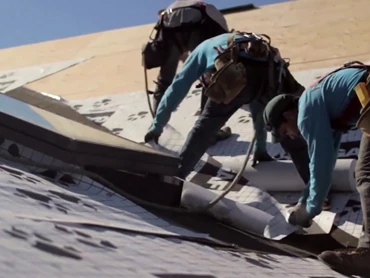
Need roof repairs or a replacement in Lacey, WA? Elite Roofing brings more than 25 years of Pacific Northwest experience to emergency repairs, full roof replacements, and new installations. We inspect your roof, explain the findings, and help you compare materials suited to rain, wind, and damp conditions. Whether you're addressing storm damage or planning ahead, our team keeps you informed about the recommended work and what to expect.
Roofing Services in<br> Lacey, WA Content

Roof Repair & Replacement for Lacey Homes
Planning solar panels and planning a roof replacement should not be two unrelated conversations. The condition of the roof, the proposed attachments, and responsibility for future repairs need to be considered before equipment is installed. Start with the roofing assessment so an electrical upgrade does not conceal work the building already needs. Elite Roofing brings more than 25 years of Pacific Northwest experience to roof inspections, repairs, replacements, and maintenance. Solar installation and electrical work require their own qualified professionals. The roofing scope should make the division of responsibilities clear.
Roofing Services to Discuss with Elite Roofing
Tell the roofer whether panels are already installed or are being considered. Relevant roofing services include:
- Roof inspections before replacement or equipment installation decisions
- Roof replacement
- Leak detection and repairs
- Roof vent and pipe boot repairs
- Emergency roof services and storm damage restoration
- New roof installation
- Roof cleaning and maintenance
Roofing & Building Architecture in Lacey
Assess the Roof Before Adding Solar Equipment
Lacey publishes a residential solar permitting checklist, while the Department of Energy recommends assessing roof suitability before installing panels. Bring roof records, known leak locations, and earlier repair details to that discussion. A roof that needs substantial work should not be evaluated only by the amount of unshaded space available for panels.
Coordinate Existing Panels with a Reroof
If panels are already in place, identify who will disconnect, remove, store, and reinstall them. Discuss the work sequence before setting the roofing date. Coordinating the projects can avoid a situation in which a finished solar installation must be removed soon afterward for necessary roof work. Do not assume panel handling is included in a roofing estimate. List it separately, identify the responsible contractor, and clarify how equipment and roof conditions will be documented before work begins.
Review Attachments and Roof Openings
Lacey's solar checklist addresses structural loading, installation instructions, and flashing at roof penetrations. The proposed attachment system should suit the actual roof construction. Ask the solar professional and roofer how attachment points, vents, and any repaired openings will be addressed. Keep drawings and photographs showing the completed work. Those records can help a future contractor understand what is beneath the equipment without relying only on a view from the ground.
Compare Roofing Materials with Future Work in Mind
Replacing the covering is an opportunity to discuss maintenance access and compatibility with proposed equipment. Product options include:
- Architectural asphalt shingles, with the exact product and related installation details identified
- Metal roofing, with panel-specific requirements reviewed before any mounting system is selected
- Synthetic shake and slate, subject to the chosen product's slope, weight, and attachment requirements
Include underlayment and ventilation in the roof assessment. A future equipment plan should not leave unresolved leaks or drainage concerns beneath the new installation.
Keep Reroof and Solar Applications Distinct
Lacey lists residential roof and solar applications separately in its online permitting process. Describe the roofing work, existing layers, and any proposed equipment changes to permit staff. Confirm what documentation and inspections are required for each part of the project rather than assuming one approval covers everything. For an association-managed property, ask which material, color, or equipment-layout reviews apply. Do not assume a neighbor's approval describes the requirements for your own address.
Plan Maintenance Around the Equipment
Before panels return to the roof, ask how gutters, valleys, vents, and skylights will remain accessible for maintenance. Identify who should investigate a future leak and how both contractors will be contacted when its source is uncertain. Rain and occasional winter storms can affect installation schedules. Discuss weather protection during the interval between panel removal, roofing, and reinstallation. Homeowners should not move panels or attempt electrical disconnection themselves.
Gutter and Siding Services
Where the roof project includes damage at an eave or adjoining wall, identify the related exterior work separately. Elite Roofing also provides:
- Gutter services, including cleaning, repair, and replacement
- Siding services, including repair, replacement, and installation
Keep Each Contractor's Coverage in Writing
Request the warranty documents for the roof covering, roofing installation, and solar work. Ask how later access or alterations affect each contractor's responsibilities. Review Elite Roofing's roofing warranty information alongside the written scope rather than treating separate warranties as interchangeable.
Discuss the Roofing Work Before Scheduling Equipment
Call Elite Roofing at (425) 482-0676 or request a free roofing estimate to discuss project availability and roof condition. Tell us about existing or proposed rooftop equipment before arranging the assessment. 0% down financing is available on approved credit. Terms and eligibility apply.
Frequently Asked Questions About Roofing in Lacey, WA
How do I apply for a residential reroof permit in Lacey?
Lacey lists residential reroofing among the permits available through its online application process. Describe the existing roof, proposed material, number of layers, and any related work when applying. Confirm the property's jurisdiction and required inspections with the city. A separate solar application or electrical approval may be needed when equipment is installed or altered.
Should I replace my Lacey roof before installing solar panels?
A roof assessment should come before deciding whether to install solar panels on a Lacey home. Existing leaks, deterioration, and the roof's expected remaining service life deserve review before equipment covers the surface. Replacement is not automatic. Ask the roofing and solar professionals to explain the proposed sequence and whether roof work should be completed first.
Who should remove existing solar panels before reroofing?
Existing solar panels should be handled by a qualified solar contractor, with responsibilities agreed before roofing begins. Identify who will disconnect, remove, store, and reinstall the equipment, and ask what inspections or authorizations apply. The roofing proposal should distinguish that work from reroofing. Homeowners should not attempt electrical disconnection or assume panel handling is included in a roofing price.
Can any solar mounting system be used on my Lacey roof?
A solar mounting system must suit the actual roof construction and the equipment manufacturer's instructions. Lacey's residential solar checklist addresses loading and requires roof penetrations to be flashed and sealed. Have the solar professional confirm the proposed attachment method and coordinate it with the roofer. A compatible roof covering alone does not establish that every mounting arrangement is suitable.
What should my roofing and solar contractors agree on in writing?
The roofing and solar contractors should agree on sequencing, attachment details, weather protection, inspection responsibilities, and how future leaks will be investigated. Keep each contractor's scope and warranty documents together. Identify who will handle access beneath existing panels and repairs around their mounts. These arrangements help prevent a homeowner from being left to resolve an unclear division of responsibility.
Videos